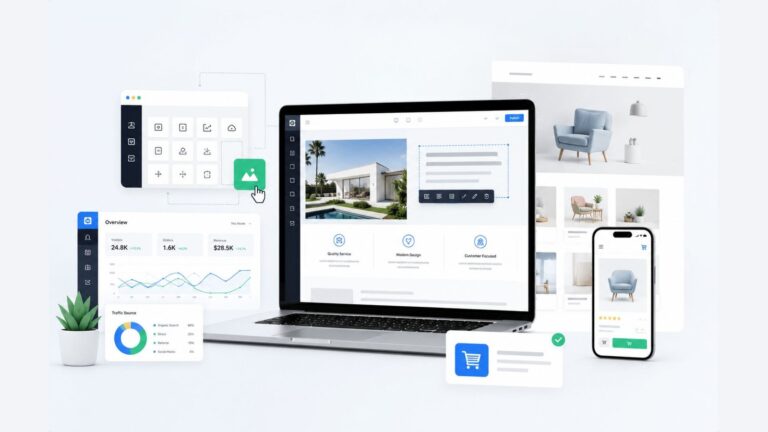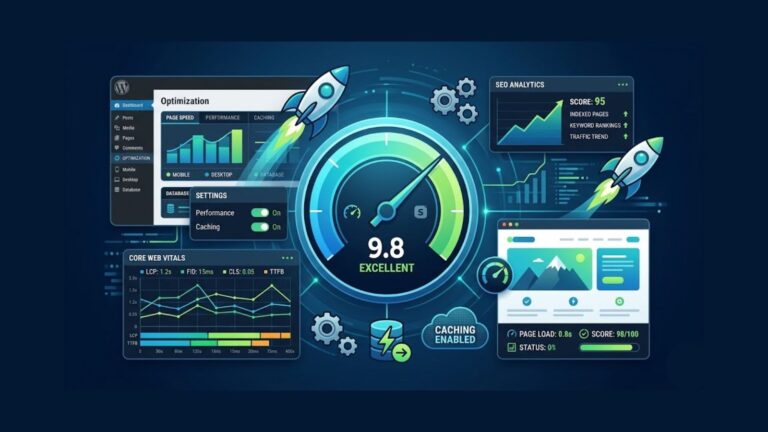

Building a professional website has become essential for small businesses in today’s digital world. Whether you run a local service, online store, agency, restaurant, or startup, having a strong online presence helps attract customers and grow your brand.
The good news is that modern website builders make it easier than ever to create professional websites without advanced coding skills.
However, with so many platforms available, choosing the right website builder for your business can feel overwhelming.
In this guide, we’ll explore the best website builders for small businesses in 2026, compare their features, and help you choose the best platform for your goals.
Why Small Businesses Need a Professional Website
A website helps small businesses:
- Build credibility
- Reach more customers
- Improve online visibility
- Generate leads
- Sell products or services
- Showcase portfolios
- Improve customer trust
Today, most customers search online before contacting businesses. A modern website helps create a strong first impression.
What Makes a Good Website Builder?

Before choosing a website builder, small businesses should look for:
- Ease of use
- Mobile responsiveness
- SEO tools
- Fast loading speed
- Design flexibility
- Security features
- Affordable pricing
- Scalability
The right platform should support both current and future business growth.
1. WordPress
WordPress remains one of the best website platforms for small businesses because of its flexibility and scalability.
It powers millions of business websites worldwide and supports almost every type of website.
Why Small Businesses Choose WordPress
WordPress allows businesses to create:
- Service websites
- Blogs
- Online stores
- Booking systems
- Membership websites
Its flexibility makes it suitable for both small and growing businesses.
Key Features
- Thousands of themes
- Large plugin ecosystem
- Strong SEO capabilities
- Full customization
- WooCommerce support
Pros
- Highly flexible
- Excellent SEO
- Scalable long-term
- Large community support
Cons
- Requires hosting
- Slight learning curve
Best For
Businesses wanting full control and long-term flexibility.
2. Wix
Wix is one of the easiest website builders available today.
Its drag-and-drop editor allows beginners to build websites visually without technical experience.
Why Small Businesses Like Wix
Wix simplifies website creation with:
- Prebuilt templates
- AI website tools
- Visual editing
- Built-in hosting
This makes it ideal for quick business websites.
Key Features
- Beginner-friendly editor
- Mobile responsive templates
- Built-in SEO tools
- App marketplace
Pros
- Very easy to use
- Fast website setup
- Hosting included
Cons
- Less flexible than WordPress
- Limited advanced customization
Best For
Beginners and small local businesses.
3. Shopify
Shopify is one of the best website builders for eCommerce businesses.
It is specifically designed for selling products online.
Why Businesses Use Shopify
Shopify simplifies:
- Product management
- Payments
- Shipping
- Inventory tracking
It helps businesses launch online stores quickly.
Key Features
- Secure checkout system
- Product management
- Payment integrations
- Mobile optimization
Pros
- Excellent eCommerce features
- Beginner-friendly dashboard
- Strong security
Cons
- Higher monthly costs
- Less ideal for content-heavy websites
Best For
Online stores and product-based businesses.
4. Squarespace
Squarespace focuses heavily on visual design and elegant website layouts.
It is popular among:
- Creative businesses
- Photographers
- Designers
- Personal brands
Key Features
- Beautiful templates
- Blogging tools
- Portfolio layouts
- Built-in hosting
Pros
- Excellent design quality
- Beginner-friendly editing
- Professional templates
Cons
- Less flexible than WordPress
- Smaller app ecosystem
Best For
Visually focused business websites.
5. Webflow
Webflow combines modern design flexibility with no-code website building.
It is popular among:
- Agencies
- Startups
- Designers
- SaaS companies
Why Webflow Is Growing Fast
Webflow allows users to build highly customized websites visually while maintaining clean code and professional performance.
Key Features
- Advanced visual editing
- Responsive controls
- CMS functionality
- Animation tools
Pros
- Professional design flexibility
- Fast websites
- Clean code structure
Cons
- Steeper learning curve
- More advanced than Wix
Best For
Modern startups and design-focused businesses.
Best Website Builder Comparison
| Platform | Best For |
|---|---|
| WordPress | Flexibility & SEO |
| Wix | Beginners |
| Shopify | eCommerce |
| Squarespace | Creative websites |
| Webflow | Advanced design |
Which Website Builder Is Best for SEO?
SEO is extremely important for small businesses because it helps attract organic traffic from Google.
WordPress remains the strongest SEO platform because it offers:
- Better optimization tools
- Full SEO control
- Advanced plugin support
Platforms like Wix and Shopify have improved SEO significantly, but WordPress still provides the most flexibility.
Which Platform Is Most Beginner-Friendly?
For complete beginners:
- Wix is usually easiest
- Shopify is easiest for online stores
WordPress provides more flexibility but requires slightly more learning.
Which Website Builder Is Cheapest?
Pricing varies depending on features and website size.
WordPress
Can be affordable with budget hosting.
Wix
Monthly subscription pricing.
Shopify
Higher pricing due to eCommerce features.
Small businesses should compare both short-term and long-term costs.
Features Small Businesses Should Prioritize
When choosing a platform, focus on:
- Mobile responsiveness
- Fast loading speed
- SEO tools
- Security
- Customer support
- Scalability
A business website should remain useful as the company grows.
Future of Website Builders
AI-powered website builders are becoming more advanced every year.
Modern builders now offer:
- AI website generation
- Automated layouts
- Smart content tools
- Faster design workflows
The future of website creation will likely become even more beginner-friendly.
Final Thoughts
Choosing the right website builder is one of the most important decisions for any small business.
The best platform depends on:
- Your business type
- Budget
- Technical experience
- Growth plans
- WordPress offers the most flexibility.
- Wix is best for beginners.
- Shopify dominates eCommerce.
- Squarespace excels in visual design.
- Webflow provides advanced modern design capabilities.
A professional website helps businesses build trust, attract customers, and grow online successfully in 2026 and beyond.